
Custserv Slot Guide: Volatility and Bonus Rounds
Custserv slot games are popular because they are easy to start and quick to understand on the surface: choose a stake, press spin and see what lands. What is less obvious is how much mathematics sits behind that simple action. Volatility, hit rate, return to player and bonus triggers all shape how long a balance lasts and how a session feels, and understanding them helps you choose games and stakes that fit your budget instead of guessing.
Custserv Slot Mechanics: What Happens When You Press Spin
Random Results From the RNG
Every spin is produced by a random number generator, or RNG, which selects an outcome in an instant. The animation of spinning reels is only a presentation of a result that has already been decided. Because each spin is independent, there is no cycle of hot and cold phases and no way to time your clicks for a better result. Accepting this removes much of the superstition that surrounds slot play and helps you focus on what you can control: stake, time and budget.
Symbol Weights and the Paytable
Behind each reel is a weighted strip of symbols. Low-value icons occupy many positions, while premium symbols and scatters appear on only a few. These weights are the main tool designers use to set how often a game pays and how large wins tend to be. The paytable summarizes the values, but the weighting is hidden, which is why two games with similar art can feel completely different once you start playing.
Total Bet and Active Lines

The total bet equals the stake per line multiplied by the number of active lines or the fixed cost of a ways-to-win layout. A game that appears cheap at 0.05 per line can cost 2.50 per spin when fifty lines are active. Always read the total bet display after changing any setting, particularly on a small screen where an accidental tap can double your stake without you noticing.
Volatility, Hit Rate and RTP Together
Reading Volatility
Volatility describes how wins are distributed. Low-volatility games return small amounts often, so the balance moves gradually. High-volatility games stay quiet for long periods and then deliver a large payout, so the balance swings sharply in both directions. Neither is better in itself. A cautious player with a small budget often prefers low volatility, while a player with spare funds who accepts risk may enjoy the drama of high volatility.
What Hit Rate Adds
Hit rate is the percentage of spins that return anything at all. A game with a high hit rate feels active, but many of those returns are smaller than the stake, so the balance can still decline steadily. A low hit rate with a large maximum win suggests a game designed around rare big moments. Comparing hit rate with volatility gives a clearer picture than either number alone.
RTP as the Long-Run Price

RTP is the percentage of wagers a slot is designed to return over a very large number of spins. At 96%, the expected cost is 4% of everything staked. That figure applies across millions of spins, so a single evening may finish well above or below it. Higher RTP simply means a lower expected cost, not a promise about the next session.
| Measure | What it tells you | Practical effect |
|---|---|---|
| RTP | Long-run percentage returned | Lower house edge when higher |
| Volatility | Size and spacing of wins | Smooth or swingy sessions |
| Hit rate | Share of paying spins | Feels active or quiet |
| Max win | Highest possible payout | Sets the upper limit |
Bonus Rounds, Features and Buy Options
Free Spins and Multipliers
Scatter symbols commonly trigger free spins, which play at your current stake without a new charge. Many games attach multipliers that grow with each win, creating the largest payouts in the game. The trigger is random, so waiting for a bonus does not increase its chance, and a bonus can return anything from a small amount to hundreds of times your stake.
Cascades, Sticky Wilds and Respins
Cascading reels remove winning symbols and drop new ones in, which can chain several wins in a single spin. Sticky wilds remain on the grid for multiple spins, and respins hold chosen symbols while the others spin again. These mechanics make play lively, but they do not change the long-run RTP. They simply decide how that return is delivered over time.
Bonus Buy and Gamble Options
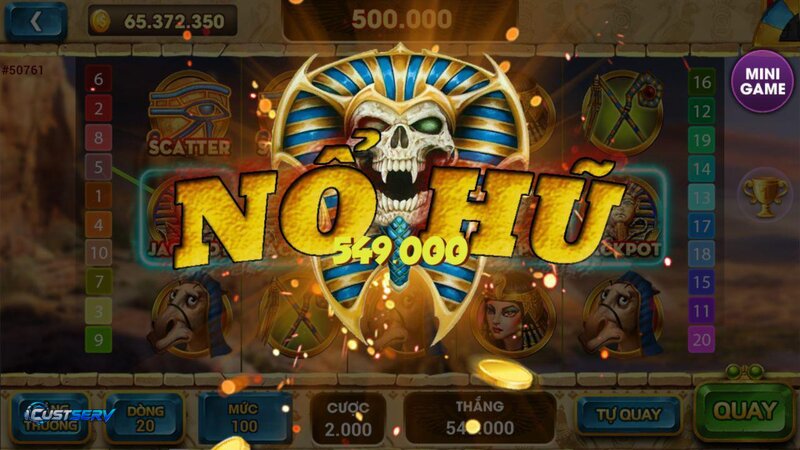
A bonus buy lets you pay a large multiple of your stake to jump straight into a feature, commonly fifty to one hundred times the bet. A gamble option offers to double a win on a coin flip. Both increase variance without adding value, and a Custserv player with a small balance can lose most of it on a single buy. Most careful players skip them.
Bet Sizing and Session Control
Convert Your Budget Into Spins
Decide how much you can spend purely as entertainment, then divide it by your stake to count spins. With 40 and a 0.40 stake you get one hundred spins. If that feels too short to enjoy, lower the stake rather than adding money. Knowing the number of spins in advance stops you from raising bets after a few quiet rounds.
Use Time and Loss Limits
Set deposit, loss and session limits in your account before starting. A timer of forty-five minutes is a sensible default. When it ends, check your balance, cash out any profit and decide calmly whether you want to continue. Limits made while calm work much better than promises made in the middle of a losing run.
Stop Chasing Losses
Raising stakes to recover a loss only makes the balance fall faster, because the next spin is independent of the last. If you hit your loss limit, close the game and do something else. Leaving with a small amount remaining is a far better result than emptying the balance in frustration.
Mobile Play and Demo Practice
Playing on a Phone
Mobile screens hide details like the total bet, so confirm it before each spin and silence notifications. Short, planned sessions are easier to control than spins scattered throughout the day, which can add up to more spending than one planned evening. Check your account history each week to see the real totals.
Practicing in Demo Mode
Demo mode uses virtual credits so you can learn how features trigger and how large wins feel relative to the stake. Play enough spins to experience the volatility. Results do not predict real play, but the practice shows whether a game fits your patience and budget before any money is involved.
Quick Answers About Slots
Do Slots Pay More at Certain Times?
No. Payout settings are fixed by the game’s math, not by the hour, the day or how many people are playing. Stories about lucky times come from selective memory of wins.
Does a Bigger Bet Raise My Chance of a Bonus?
Generally no. Stake size changes the amount you win or lose, not the probability of a feature. Check the rules, because a few games do change features at higher stakes.
Is Autoplay a Good Idea?
Autoplay is convenient but speeds up spending, which raises the expected cost per hour. If you use it, set loss and win limits and keep the number of spins small.
Final Thoughts on Slot Play
A Custserv slot session is best treated as paid entertainment with a known cost. Volatility, hit rate and RTP explain why games feel different, but none of them can predict the next spin. Choose a stake that stretches your budget, avoid bonus buys and gamble options, and stop when your plan says stop alongside custserv.
If slot play begins to feel like a need rather than a choice, take a break and speak with a responsible gambling organization in your country. A clear plan keeps the activity in its proper place.